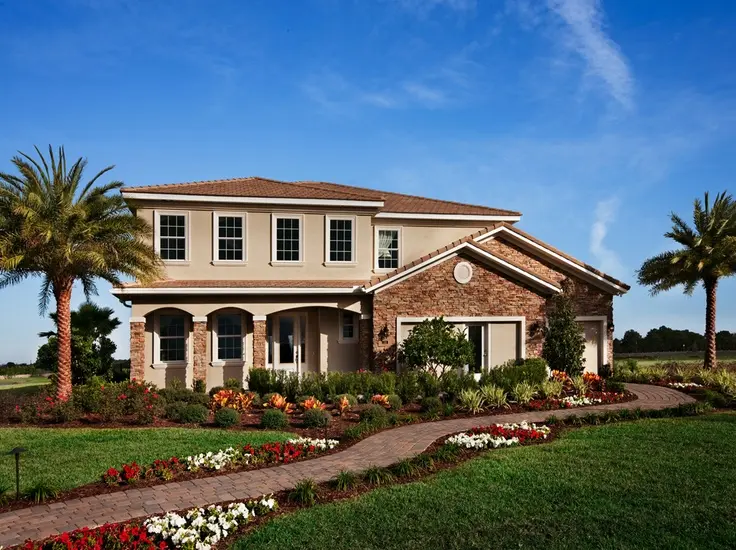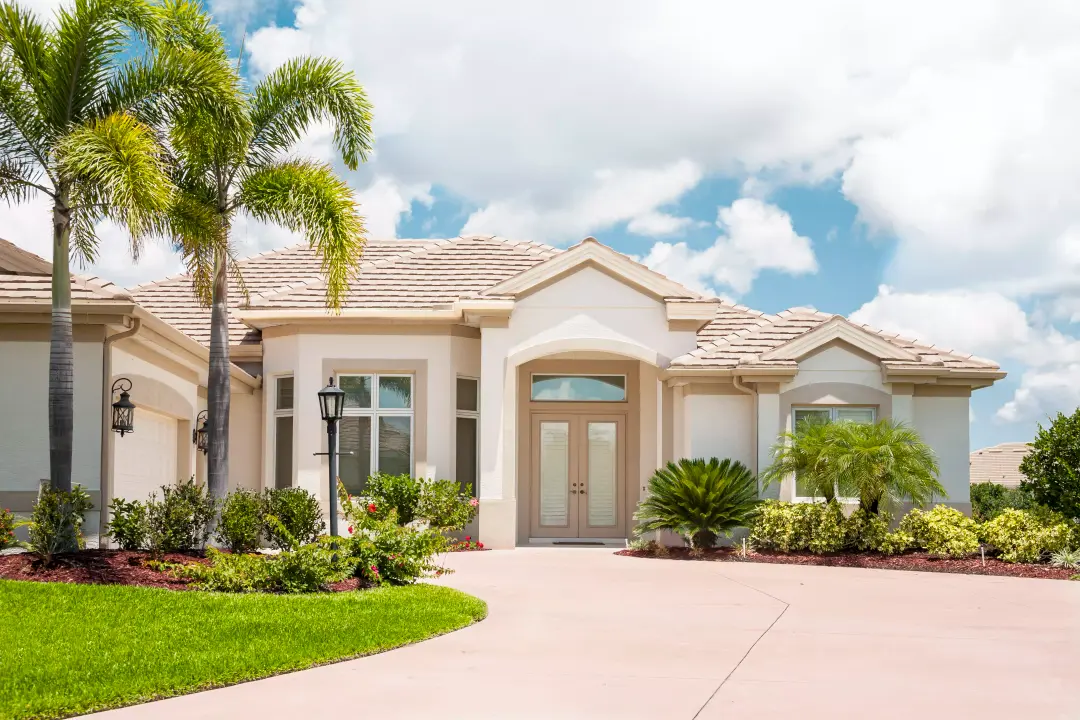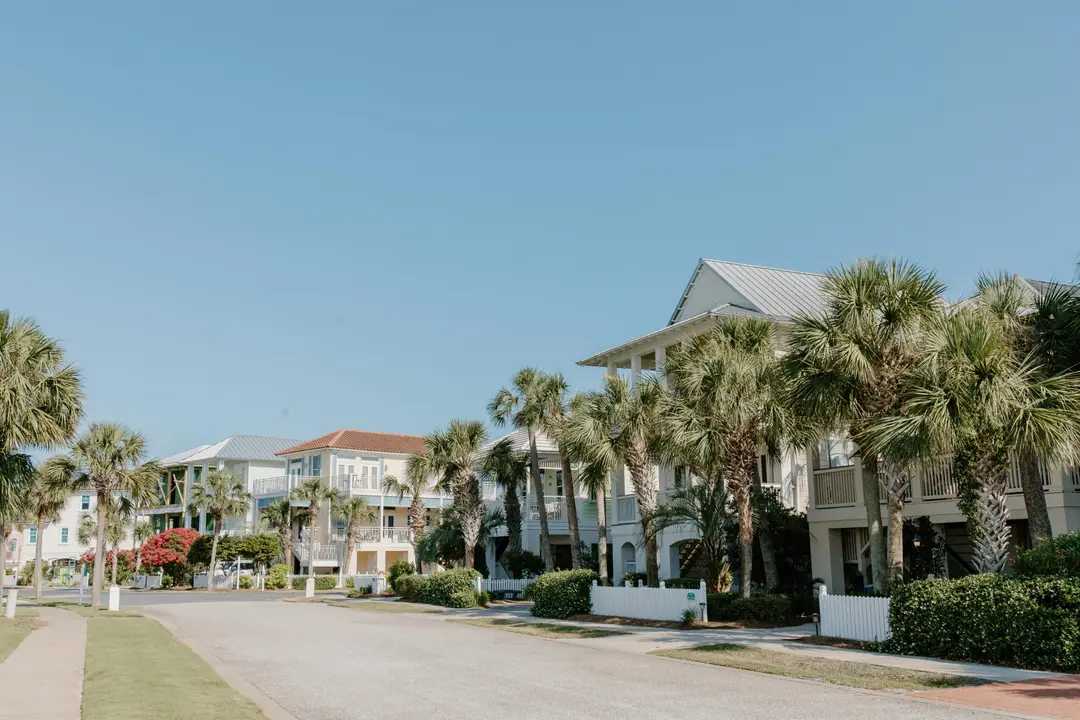
Building a custom home in Florida is not the same as building in Georgia, North Carolina, or the Midwest. Our weather, code requirements, soil, insurance rules, humidity, and even the permitting process force you to plan differently. After helping families across Tampa, Sarasota, and Southwest Florida for over a decade, here are the 7 things you absolutely need to understand before you break ground in 2025.
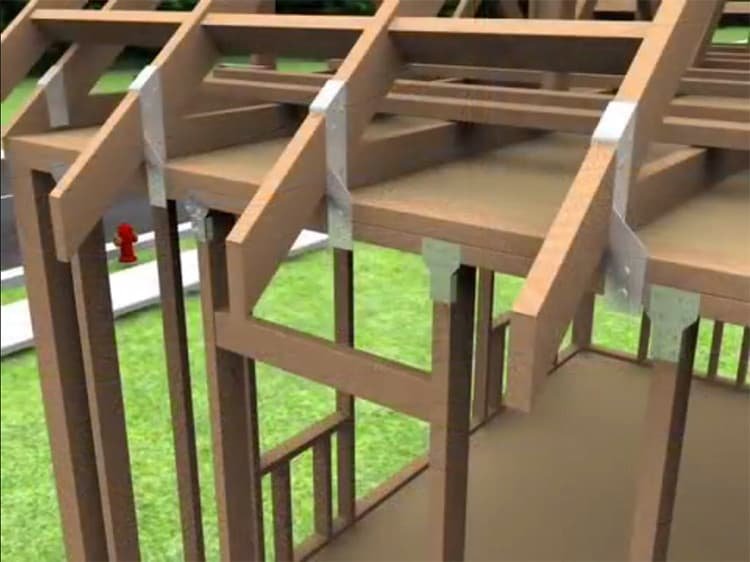
1:Florida Building Codes Are No Joke
Why it matters: Florida has some of the strictest structural codes in the U.S. — especially for wind, flooding, and roof systems.
- Wind resistance: Many regions require homes engineered for 130–180+ mph winds.
- Flood zones: If your lot sits in a flood zone, raised/elevated foundations are often required.
- HVHZ zones: Coastal and South Florida areas (like Miami-Dade/Broward) have even tougher rules: mandatory impact windows, reinforced garage doors, heavy roof anchoring.
- Cost impact: These protections typically add 10–20% more to build cost compared to other southeastern states — but they also lower insurance premiums by 20–45% and boost resale value.
- Pro tip: Hire a GC that works in Florida every day. Code or permit mistakes can delay you for months and easily add five figures to your cost.
2: Budget With a Real Contingency (20%+)
Costs in Florida aren’t only about square footage — soil, permitting, and storms all affect the final number.
- Soil + foundation surprises: Florida sand, limestone, and high water table can require pilings, deep footers, or engineered drainage.
- Impact glass + structural upgrades: Expect $15K–$40K+ in required upgrades for windows/roof/framing, more on coastal builds.
- Permit & impact fees: Some municipalities charge $18,000–$55,000+ in combined impact/permit fees.
- Material volatility: After major storms, lumber, roofing, and concrete pricing can spike 20–30%.
- What people are really spending in 2025:
- • Base build (±2,500 sq. ft. mid-range finish): ~$400K–$700K
- • Total project (land prep, fees, finishes): ~$650K–$1.15M for typical Florida markets
- • Premium/coastal or luxury: $500+/sq. ft.
- Rule: Hold back at least 20% contingency. Most owners end up using almost all of it.
3: Hurricane Season Will Change Your Timeline
Florida’s June–November hurricane season isn’t just a weather forecast — it’s a construction variable.
- Schedule slowdowns: Crews and materials get delayed after storms, especially roofing, windows, concrete, and framing labor.
- Insurance rules: Active hurricane warnings can pause all on-site work for safety and liability reasons.
- Real timeline: Most custom homes in Florida take ~9–13 months from start to finish.
- Best start window: Many owners aim to begin in October–December so foundation and framing are done before peak storm months.
4: Moisture & Humidity: You Can’t Cut Corners Here
Florida humidity runs 70–90%. If you ignore water, mold will own your house — fast.
- Concrete cure: Slabs and block walls need proper cure time (28+ days). Rushing it = hairline cracking and moisture issues.
- Lumber: Pressure-treated lumber is mandatory anywhere near grade; standard untreated framing touching concrete will rot or mold.
- Insulation: Closed-cell spray foam is pricier (+$3K–$8K vs fiberglass), but it seals moisture and prevents the most common mold failures.
- HVAC sizing: You need a Manual J load calc. Oversized systems short-cycle and cause condensation and mold. Undersized systems run nonstop and still don’t dehumidify.
- Vapor barrier: In Florida, moisture control is done from the exterior direction — not the same strategy as northern states.
- Bottom line: Moisture protection is not an ‘upgrade’. It’s survival.
5: Impact Windows Are Worth the Money
Yes, they’re expensive. Yes, you still want them.
- Cost in 2025: ~$18K–$45K upgrade on a typical Florida home vs standard windows with shutters.
- Savings: 20–45% insurance premium reduction in many parts of Florida.
- Cooling efficiency: Better thermal performance = 10–20% lower A/C bills.
- Security + noise: Feels quieter inside and deters break-ins.
- Resale: Buyers in Florida expect impact windows; not having them can kill deals.
- ROI math: In most cases, impact windows pay for themselves in 4–9 years through insurance + energy savings alone.
6: Your General Contractor Isn’t ‘Extra Cost’ — They’re Protection
In Florida, a good GC keeps you legal, on schedule, and out of trouble.
- Typical fee: 15–20% of total build cost. That’s normal in Florida.
- What they actually do: Code compliance, permitting, scheduling trades, inspections, hurricane prep, warranty follow-up.
- Reality check: Owners who try to self-manage usually go over budget, slip months behind, and hit permit/code violations.
- What you want: A licensed Florida GC with experience in your city/county, plus references from recent builds.
7: Land Choice Can Make or Break the Entire Build
Before you fall in love with the lot, check the hidden costs.
- Flood zone: Building in a floodplain can add $30K–$85K in elevation/foundation work and $1K–$3.5K per year in insurance.
- Soil + water table: Always get a geotechnical (soil) report before you close on land. Florida’s sandy/rocky mix can require deeper footers or pilings.
- Environmental rules: Wetlands, wildlife protection, and setback rules can shrink your usable build area or delay permits for months.
- Utilities + HOA: Confirm sewer/water availability and any HOA restrictions on elevation, roof color, exterior material, etc., BEFORE you buy.
- Impact fees: Some counties charge $20K–$55K+ in impact fees alone — that goes straight into your total cost.
- Smart move: Bring your builder to the lot before you sign. Prep work on a “cheap” lot can wipe out any savings fast.
📊 Florida Custom Home Reality Check (2025)
- Typical Build Duration: ~9–13 months
- Best Start Window: October–December (beat hurricane delays)
- Impact Windows: Pay back in ~4–9 years
- Contingency Budget: Minimum 20% — assume you’ll use it
- Insurance Savings: 20–45% with proper hurricane hardening
- GC Fee Norm: 15–20%, and worth every percent in Florida
🏠 Why Families Choose Ridgeback Built
- Hurricane-resistant construction engineered for Florida codes and resale value
- Full moisture management plan — not just ‘we’ll add dehumidifiers later’
- Transparent budgeting with no surprise inspection or permit add-ons
- Scheduling built around Florida hurricane season, not against it
- Support with financing options (including 0% options on select builds)
- Local, family-owned, three generations of building experience
📞 Ready to Talk to a Builder?
- Schedule a free consultation — we’ll review your lot, timeline, and budget.
- Call (813) 921-1717 or visit ridgebackbuilt.com.
- Ask for Jeremy. OSHA-certified, 3rd-generation builder, 10+ years in FL, NY, and MA — specializes in hurricane-resistant Florida homes.